
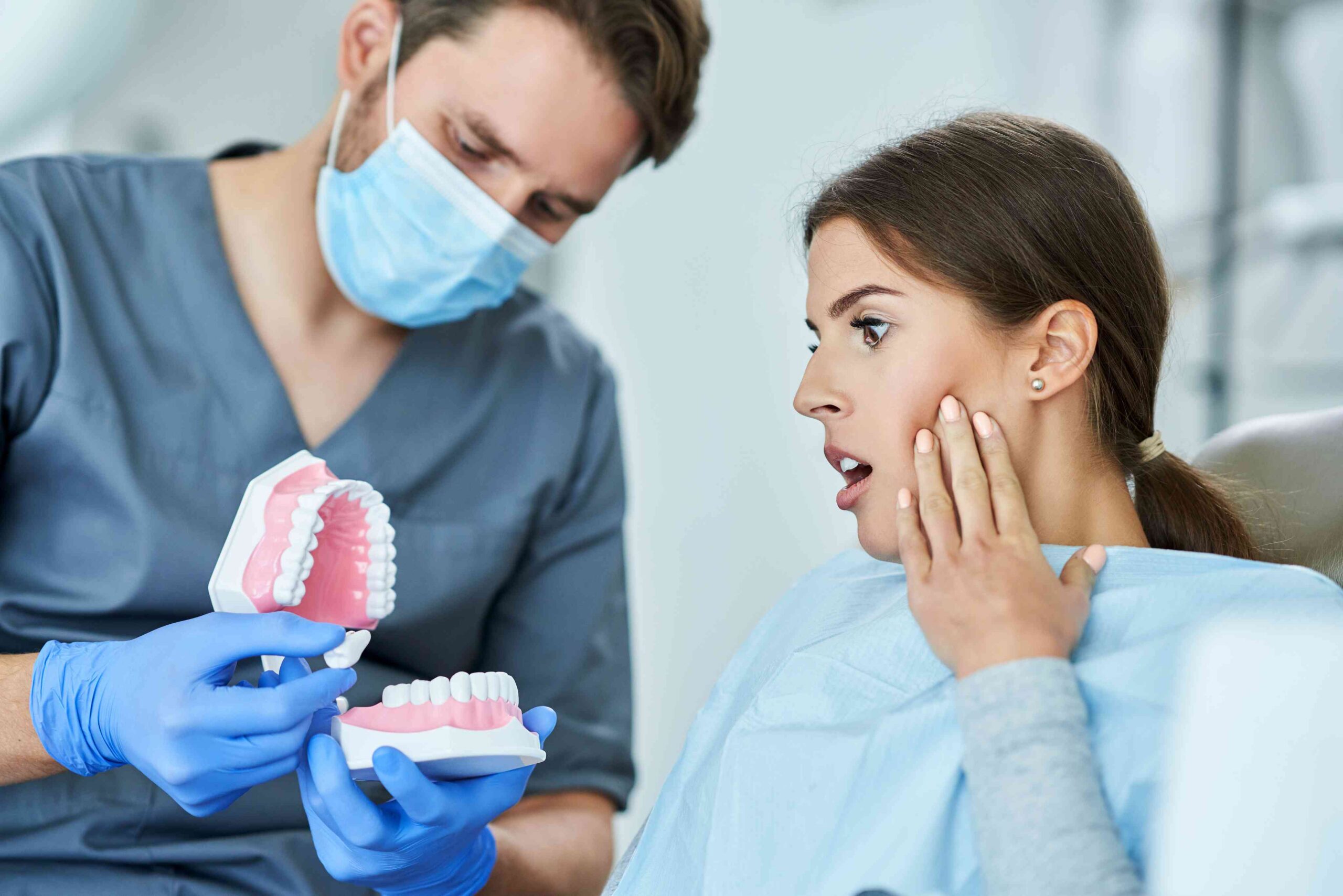
A cosmetic dentist in Bedford, NH can help patients review smile appearance concerns such as tooth colour, chips, uneven edges, small gaps, worn enamel, or tooth shape differences. Cosmetic dental care may include whitening, bonding, veneers, crowns, clear aligners, or recontouring depending on oral health and treatment goals. Bedford patients need an evaluation of teeth, gums, bite, enamel, restorations, and habits before choosing a cosmetic option that supports both appearance and long-term function.
A smile concern can be specific without being severe. One tooth may look darker than the others; a front edge may be chipped, or small spaces may show when speaking. Some Bedford patients want to improve these details but are not sure which cosmetic option fits their teeth.
Patients searching for a cosmetic dentist in Bedford, NH often want choices explained clearly. Cosmetic dentistry may include whitening, bonding, veneers, crowns, aligners, or small reshaping, but the right option depends on oral health first.
A dentist should review gums, enamel, bite pressure, existing restorations, tooth position, and daily habits before recommending cosmetic treatment. Appearance matters, but the plan should also protect function and long-term oral health.
Cosmetic Care Starts with Oral Health
Cosmetic dental care should not skip diagnosis. Teeth and gums need to be evaluated before changing colour, shape, spacing, or alignment.
Active cavities, gum inflammation, cracked teeth, or unstable restorations may need attention before cosmetic treatment. This helps avoid building a cosmetic plan on an unhealthy foundation.
For patients looking for a cosmetic dentist near Bedford, a health-first exam can also clarify which concerns are cosmetic, and which may be linked to function, bite, or enamel wear.
What Cosmetic Dentist Bedford NH Visits May Include
A cosmetic dentist in Bedford, NH on a visit may begin with a discussion of what the patient wants to change. This could include shade, tooth shape, small chips, worn edges, gaps, crowding, or old dental work that no longer blends well.
The dentist may examine teeth, gums, bites, restorations, enamel, and oral habits. Photos, X-rays, scans, or impressions may be recommended depending on the concern.
After the exam, the dentist can explain suitable options. Some patients may benefit from whitening. Others may need bonding, veneers, aligners, crowns, or a combination based on findings.
Whitening for Tooth Colour Concerns
Whitening may help select surface or internal staining, depending on the type of discoloration. It does not work the same way on every tooth.
Fillings, crowns, veneers, and bonding do not whiten like natural enamel. If visible restorations are present, the dentist may discuss timing and shade matching before treatment.
Bedford patients should ask whether whitening is a good first step or whether discoloration needs another approach. Some darker or uneven areas may need bonding, veneers, or crowns.
Bonding for Small Chips and Edges
Dental bonding uses tooth-colored material to repair or reshape selected areas. It may be considered for small chips, uneven edges, minor gaps, or surface concerns.
Bonding is often more conservative than veneers or crowns, but it may stain, chip, or wear over time depending on habits and bite pressure.
Patients with front tooth concerns in Bedford should ask whether bonding is strong enough for the area. Biting habits, tooth position, and size of the repair matter.
Veneers for Broader Front Tooth Changes
Veneers are thin custom restorations bonded to the front of teeth. They may change tooth shape, shade, length, width, or surface appearance.
They may be considered for selected chips, worn edges, small gaps, uneven shape, or discoloration that does not respond well to whitening. Veneers are not suitable for every patient.
The dentist should evaluate enamel, gum health, bite pressure, tooth position, and habits before recommending veneers. Some cases may need orthodontic treatment or gum care first.
Clear Aligners for Position Concerns
Clear aligners may help with selected crowding, spacing, or mild bite concerns. They move their teeth gradually with removable trays.
Aligners may be a better choice when the main concern is tooth position rather than tooth colour or shape. Moving teeth first can sometimes reduce the need for cosmetic restorations.
Patients considering smile improvement options should ask whether alignment should be addressed before veneers or bonding. The order of care can affect the final plan.
Crowns for Teeth That Need More Support
A crown may be recommended when a tooth needs both appearance improvement and structural support. This may apply to teeth with large fillings, cracks, major wear, or root canal treatment.
Crowns cover more of the teeth than veneers. They may be used when a tooth is too weak for a smaller cosmetic restoration.
The dentist should explain why a crown is needed instead of bonding or a veneer. The reason should connect to tooth strength, bite pressure, decay, or remaining structure.
Recontouring and Small Shape Adjustments
Some cosmetic concerns may need only minor reshaping. Tooth recontouring may smooth a small edge, adjust a slight uneven area, or soften a sharp point.
This option depends on enamel thickness, bite, and the size of the change. It is not suitable for major shape changes or damaged teeth.
Bedford patients who want subtle improvements should ask whether a conservative adjustment is possible. Smaller changes may be enough in selected cases.
Bite Pressure Can Affect Cosmetic Results
Cosmetic work must handle normal functions. Grinding, clenching, nail biting, chewing ice, or using teeth as tools can damage natural teeth and cosmetic restorations.
The dentist may check for worn enamel, chipped edges, jaw tightness, or bite marks. These signs can affect material choice and long-term maintenance.
Patients should be honest about their habits. A nightguard or other protective advice may be recommended when appropriate after evaluation.
Shade and Shape Should Look Balanced
A cosmetic plan should fit the face, lips, gumline, and surrounding teeth. Teeth that is too bright, too long, or too uniform may not look natural.
Shade planning may involve comparing natural teeth, existing restorations, and how many teeth are being treated. Shape planning considers tooth width, edge length, and symmetry.
Patients should discuss whether they want a subtle change or more noticeable improvement. Clear expectations help guide treatment choices.
What Patients May Value from Cosmetic Planning
Cosmetic dental care can help selected patients address visible concerns while still respecting oral health.
Patients may value:
- Whitening guidance for tooth colour
- Bonding options for small chips
- Veneer planning for selected front teeth
- Clear aligner review for spacing or crowding
- Crown evaluation for weak teeth
- Subtle reshaping when suitable
- Shade and shape planning
- Maintenance guidance after treatment
- These benefits depend on oral health, bite, enamel, restorations, and treatment goals.
What to Expect Before During and After Cosmetic Care
Before treatment, the dentist reviews oral health, cosmetic goals, gums, enamel, bite, restorations, and X-rays or records when needed. Any active dental problems may need to care first.
During treatment, the steps depend on the option chosen. Whitening, bonding, veneers, crowns, aligners, and reshaping all follow different processes.
After treatment, patients should keep routine dental visits and follow cleaning instructions. Bite pressure, staining habits, gum changes, or restoration of wear should be monitored.
Local Patient Review
“I came in asking about whitening, but the consultation helped me understand why one darker tooth needed a closer look before choosing a cosmetic option.”
A Health-First Way to Plan Smile Changes
Cosmetic dental care can help Bedford patients address tooth colour, chips, uneven edges, spacing, worn enamel, and shape concerns after a careful exam. The best plan should support appearance, bite function, and oral health together. With Mann Family Dental, cosmetic planning can focus on clear choices, realistic expectations, and long-term maintenance.
Frequently Asked Questions
Can cosmetic dentistry fix a tooth that looks shorter than the rest?
It may help, depending on whether the cause is wear, position, gumline shape, or tooth size. The dentist may discuss bonding, veneers, crowns, or recontouring.
Why should cavities be treated before cosmetic work?
Cosmetic treatment should be planned for healthy teeth. Decay can weaken the teeth and affect the success of whitening, bonding, veneers, or crowns.
Can a cosmetic dentist in Bedford, NH replace old bonding?
Old bonding can often be evaluated for staining, chips, fit, and tooth health. The dentist can explain whether repair or replacement is suitable.
Is whitening useful before veneers?
Sometimes, whitening nearby natural teeth first can help with shade planning. Veneers do not whiten the same way natural enamel does.
Can aligners reduce the need for veneers?
In selected cases, moving teeth may improve spacing or crowding enough that fewer restorations are needed. An exam can clarify the best order.
What if I want only a small cosmetic change?
Ask about conservative options such as recontouring or bonding. The dentist can explain whether a small change is safe for the enamel and bite.
Can grinding affect cosmetic dental work?
Yes, grinding can chip or wear bonding, veneers, crowns, and natural teeth. Bite pressure should be reviewed before cosmetic treatment.
How do I keep cosmetic results looking good?
Brush, floss, avoid chewing hard objects, limit staining habits when advised, and keep dental visits so restorations and gums can be monitored.