
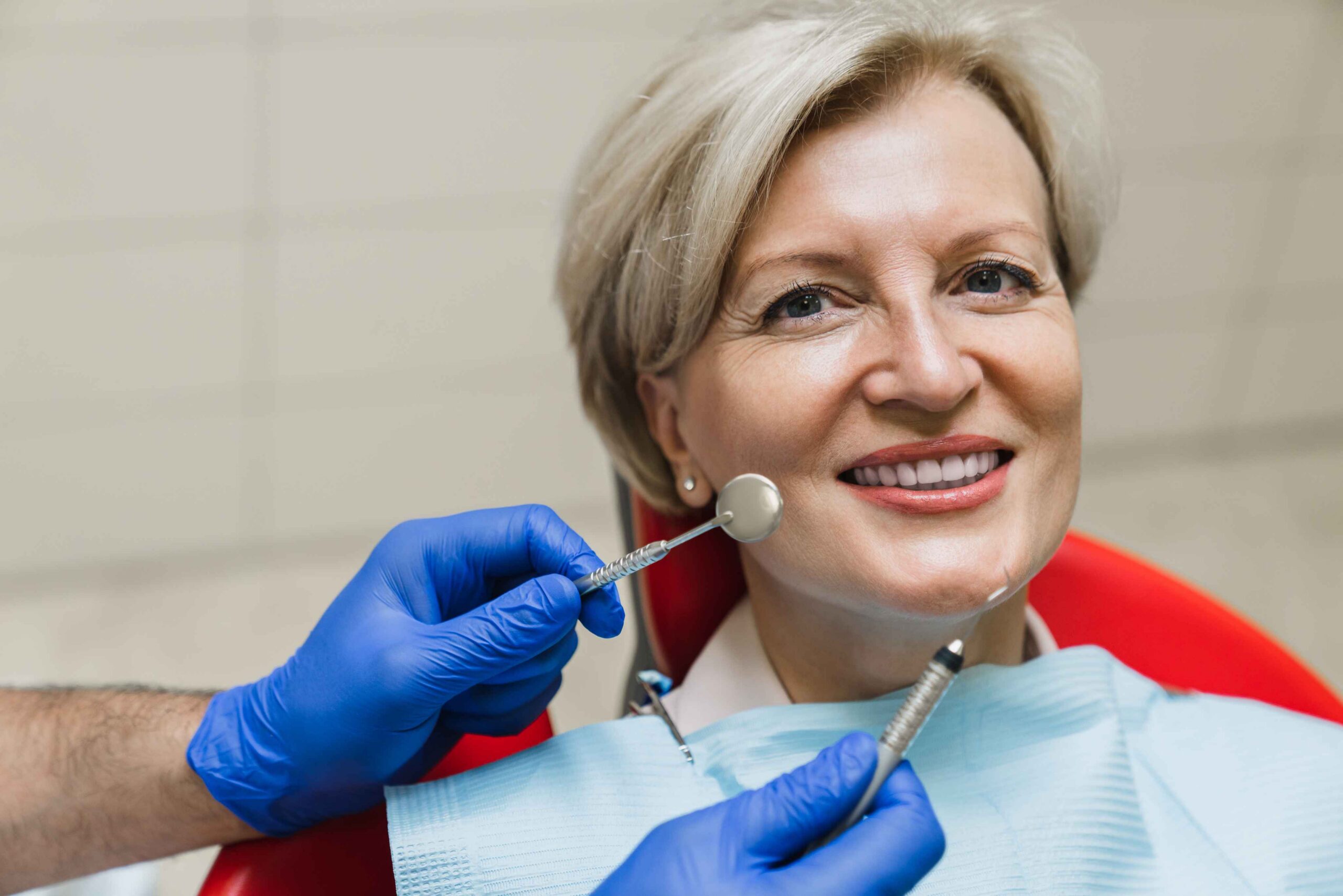
Invisalign Bedford, NH may help selected patients improve crowded, spaced, or shifted teeth with removable clear aligners. Patients in Bedford and Goffstown should have tooth health, gum health, bite pressure, crowns, veneers, cavities, and cosmetic goals reviewed before treatment begins. Clear aligners may be one option, but some patients may need braces, restorative care, gum treatment, veneers, crowns, or another plan depending on diagnosis and long-term oral health.
Teeth can shift slowly enough that patients do not notice right away. A person in Bedford may see one front tooth turning, a small space opening, or the bite feeling less even during meals. Another patient may have had braces years ago and now feels the teeth are moving again.
Invisalign in Bedford, NH may be discussed when selected crowding, spacing, or bite concerns can be guided with clear removable aligners. The process should start with a full dental evaluation. Teeth need to be healthy enough to move, gums need to be stable, and old dental work should be reviewed. Alignment planning works best when the dentist understands both the appearance goal and the health of the whole mouth.
How Clear Aligners Move Teeth
Clear aligners use a series of custom trays to guide teeth in planned stages. Each aligner applies controlled pressure to specific teeth. Patients usually remove aligners for meals, brushing, and flossing.
Aligners may help with selected mild to moderate crowding, spacing, rotated teeth, and relapse after past orthodontic care. They can be appealing because they are less visible than brackets and wires.
The treatment depends on consistent wear. If aligners are left out too often, teeth may not move as planned. Patients should understand the daily commitment before beginning.
Why the Exam Comes First
A clear aligner plan should not begin with appearance alone. The dentist needs to check cavities, gum inflammation, bone support, tooth wear, bite pressure, and old restorations.
A dentist in Bedford, NH may also review X-rays, scans, or impressions to see how the teeth and roots are positioned. These details help determine whether aligners are suitable.
If decay, gum disease, or unstable dental work is present, treatment may need to happen before aligners start. Moving unhealthy teeth can make care more complicated.
Goffstown Patients Need the Same Foundation
Patients asking about Invisalign in Goffstown, NH may have similar concerns, such as crowding, spacing, or teeth that shifted after past treatment. The same planning steps apply.
A dentist in Goffstown, NH may check whether the gums are healthy enough for movement and whether any fillings, crowns, or cracked teeth need attention first. The bite should also be reviewed.
Clear aligners can improve selected alignment concerns, but they should fit into a larger oral health plan.
Crowding Can Affect Cleaning
Crowded teeth may make brushing and flossing harder. Plaques can collect where teeth overlap. Food may catch between tight or rotated teeth.
Improving the tooth position may make daily cleaning easier in many cases. This does not replace home care, but it may support better access around the gumline.
Crowding can also affect how the smile looks. A patient may first notice appearance changes, then learn that cleaning access is part of the reason to consider alignment.
Spacing May Have Several Causes
Spaces between teeth can happen because of tooth size, jaw shape, gum support, missing teeth, habits, or shifting after past orthodontic care. Closing a space without understanding the cause may not create a stable result.
If gum disease, missing teeth, or bite pressure contributed to spacing, those issues should be reviewed first. Some gaps may need restorative or periodontal planning.
A clear diagnosis helps patients understand whether aligners alone may help or whether another treatment should be part of the plan.
Veneers and Aligners Work Differently
Patients often compare veneers in Bedford, NH with clear aligners because both can improve the way front teeth look. They solve different problems.
Aligners move their teeth. Veneers change the visible surface of selected teeth. If a tooth is rotated or crowded, movement may be discussed before veneers. If a tooth is chipped or deeply stained, veneers or bonding may be considered after health and bite are reviewed.
The order matters. Aligning teeth first may reduce how much cosmetic restoration is needed in some cases.
Cosmetic Goals Should Be Planned Carefully
A cosmetic dentist in Bedford, NH for conversation may include clear aligners, veneers, bonding, whitening, or crowns. The right option depends on whether the main concern is tooth position, tooth shape, color, wear, or structure.
A cosmetic dentist in Goffstown, NH may guide patients through the same decision process. For example, a crowded smile may benefit from movement, while a worn front edge may need restoration.
Cosmetic dentistry should still protect oral health. Teeth, gums, bites, and restorations all affect the final plan.
Crowns and Aligners Need Coordination
Patients with crowns can sometimes have clear aligner treatment, but the crowns and underlying teeth need to be stable. The aligners must fit properly over existing dental work.
If a tooth needs dental crowns in Goffstown, NH for treatment because it is cracked or weak, the dentist may decide whether the crown should be completed before or after alignment. The answer depends on the tooth’s condition and the movement plan.
Unstable restorations can interrupt aligner treatment. Reviewing them early helps avoid surprises.
Bite Pressure Can Affect Results
Grinding, clenching, and uneven bite contacts can affect both tooth movement and long-term stability. The dentist may look for worn enamel, chipped edges, jaw soreness, or cracked fillings.
If bite pressure is present, the treatment plan may include monitoring, bite review, or a retainer plan after aligners. Some patients may need a nightguard after treatment.
Straight teeth should still meet comfortably. A good alignment plan considers chewing function, not only front tooth appearance.
Daily Habits Matter with Clear Aligners
Clear aligners are removable, which can be convenient. It also means patient habits matter. Aligners must be worn as instructed and kept clean.
Patients should remove aligners before eating and drinking anything other than water. Teeth should be brushed before aligners are placed back in whenever possible. Trapped food and sugar can increase cavity risk.
Keeping aligners in their case when not worn helps prevent loss or damage. Pets, napkins, pockets, and backpacks are common ways aligners get misplaced.
What Patients May Appreciate About Clear Aligners
When the case is suitable, clear aligners may offer several practical benefits.
They may help:
- Improve selected crowding or spacing
- Guide teeth that shifted after past treatment
- Support a more balanced smile
- Make cleaning easier in tight areas
- Fit into work or social routines with less visibility
- Allow brushing and flossing without brackets
- Prepare teeth for future veneers or crowns
- Support bite planning in selected cases
These benefits depend on diagnosis, alignment, oral health, and follow-up care.
What Usually Happens During Invisalign Treatment
Before treatment, the dentist reviews goals, teeth, gums, bites, and dental history. Photos, X-rays, scans, or impressions may be used to plan movement. The patient should understand what aligners can and cannot change.
During treatment, aligners are worn as directed and changed on schedule. Small attachments may be placed on certain teeth to help guide movement. Check-ins help confirm that teeth are tracked properly.
After treatment, retainers are usually needed. Teeth can shift again without retention. Regular dental visits help monitor gum health, bite stability, tooth wear, and any restorative needs.
Local Patient Review
“I wanted aligners for one crooked tooth, but the visit helped me understand why my bite and an older crown had to be checked before starting.”
Alignment Works Best with a Healthy Foundation
Clear aligners can support a straighter smile, but the strongest plans account for cavities, gum health, bite pressure, crowns, veneers, and long-term retention. Patients considering their next step can speak with Mann Family Dental about whether alignment fits their oral health and cosmetic goals.
Frequently Asked Questions
Can clear aligners fix crowded teeth?
They may help select mild to moderate crowding. Severe crowding or complex bite concerns may need braces or another approach.
Do aligners work if worn only at night?
No. Aligners usually need consistent daily wear. Leaving them out too often can delay treatment or affect fitness.
Should cavities be treated before aligners?
Yes. Cavities, gum inflammation, infection, or unstable dental work should be addressed before tooth movement begins.
Can veneers be planned after aligners?
Yes. Aligning teeth first may improve spacing and reduce the amount of cosmetic restoration needed in some cases.
Can crowned teeth move with aligners?
Sometimes. The crown and tooth need to be stable, and the dentist should review the restoration before treatment.
Are aligners better than braces?
Not always. Aligners work well in some cases, while braces may be better for complex movement or bite correction.
Will retainers be needed after treatment?
Usually, yes. Retainers help keep teeth in their new positions. Without retention, teeth may shift again.
What if an aligner stops fitting?
Contact the dental office for guidance. Do not force an aligner or skip ahead without instructions.