
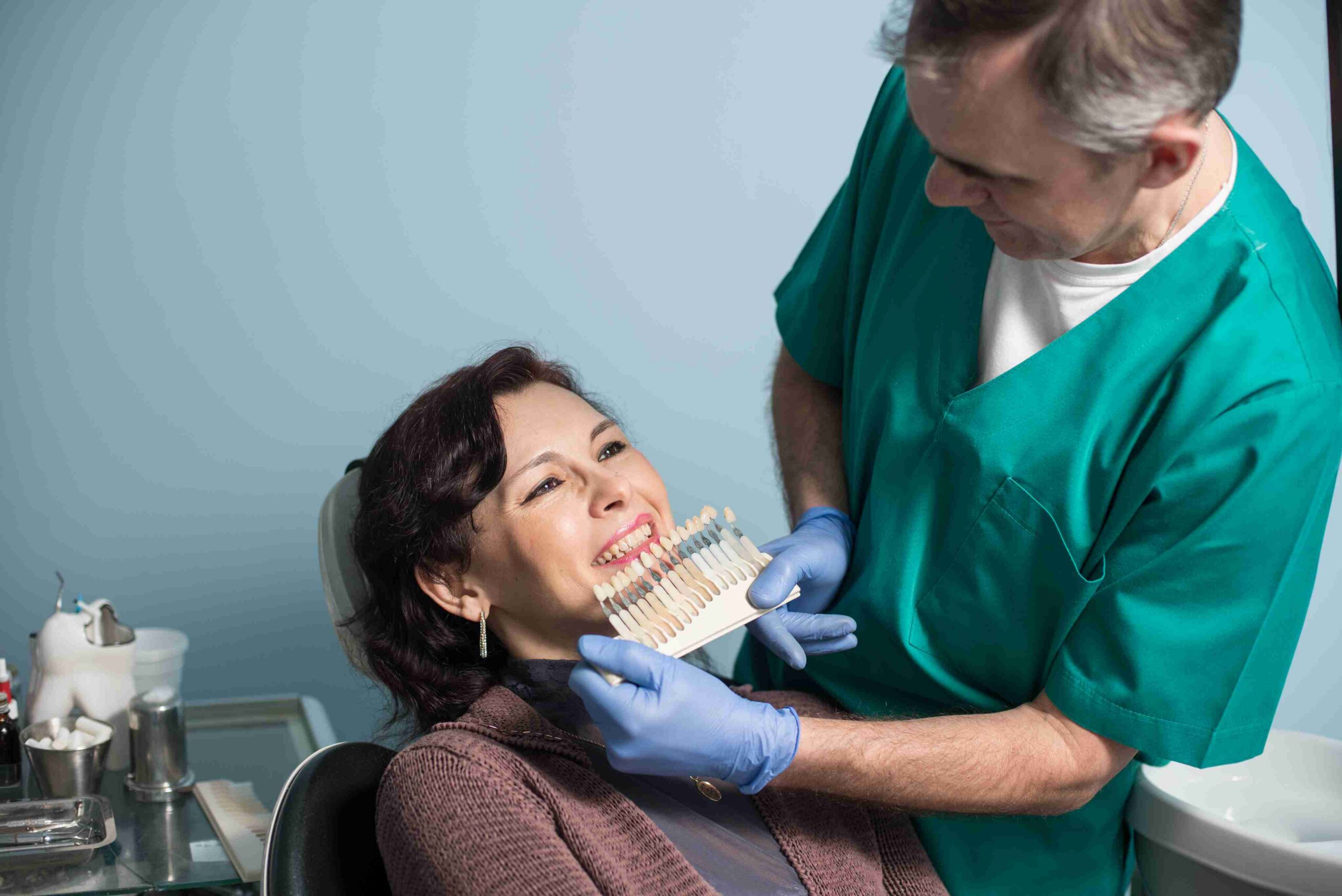
A dentist in Manchester, NH may help patients understand cleaning, gum health, cavities, tooth sensitivity, old dental work, tooth pain, urgent symptoms, and long-term oral health planning. Patients in Manchester, Goffstown, and Bedford may need guidance on whether a concern is preventive, restorative, urgent, or part of ongoing family care. A dental visit can explain what looks healthy, what should be monitored, and what treatment may be recommended after an oral health evaluation.
Dental questions often start with one small concern. A tooth may feel sensitive when drinking something cold. Gums may bleed while brushing. An old filling may feel rough, or a tooth may hurt when chewing. For patients in Manchester, these signs can raise questions about whether the next step is cleaning, repair, urgent evaluation, or a longer-term plan.
A dentist in Manchester NH visit can help sort those concerns in a practical order. The dentist may review teeth, gums, bites, old restorations, oral tissues, and symptoms before recommending care. This matters because routine visits, family needs, and urgent dental problems can overlap. A complete exam helps patients understand what needs attention first and what can be watched or planned over time.
A Visit Should Start with What Has Changed
Patients do not need to know the dental name for a symptom. It helps to explain what feels different, when it starts, and whether the concern is changing.
Pain, sensitivity, bleeding gums, food trapping, loose teeth, and rough restorations can each point to different causes. The dentist may ask when symptoms happen and what makes them better or worse.
That conversation helps guide the exam and keeps treatment decisions based on findings.
Cleanings Help Show Risk Patterns
A professional cleaning removes plaque and tartar that brushing and flossing may not fully reach. It can also show where buildup returns most often.
Some patients collect tartar near the lower front teeth. Others may have more buildup around back molars, older fillings, bridges, or crowded areas. These patterns can guide home care advice.
Cleaning also makes it easier for the dentist to see tooth surfaces and gumlines clearly.
The Right Setting Can Make Care Easier
A dental clinic visit may include an exam, cleaning, X-rays when needed, gum checks, oral tissue review, and discussion of symptoms.
The setting matters because dental problems are often connected. A sensitive tooth may relate to gum recession. A chipped filling may connect to bite pressure. Bleeding gums may affect future restorative planning.
Patients benefit when their concerns are reviewed together rather than treated as separate guesses.
Gum Health Supports the Whole Mouth
Bleeding gums may come from plaque, tartar, brushing technique, medication, gum inflammation, or periodontal disease. It should not be dismissed without an exam.
The dentist may measure gum pockets, check bleeding points, review recession, and look for bone support changes. These findings can affect cleanings, fillings, crowns, bridges, dental implants, and maintenance visits.
Healthy gums help protect natural teeth and dental work.
Family Needs Change by Age
Family dentistry may support children, teens, adults, and older patients with different dental needs in one household.
Children may need brushing guidance and cavity prevention. Teens may need help with sports injuries, snacks, or tooth alignment questions. Adults may need gum checks, fillings, crowns, or bite review. Older patients may need support around dry mouth, missing teeth, dentures, or older dental work.
Care should fit the person’s age, health history, habits, and comfort level.
Urgent Symptoms Need Prompt Attention
A 24-hour emergency dentist search often happens when symptoms feel sudden or hard to manage.
Severe pain, swelling, trauma, broken teeth, uncontrolled bleeding, fever, or signs of infection should be evaluated promptly. If swelling affects breathing or swallowing, emergency medical care is needed immediately.
Urgent symptoms should be checked before routine or appearance-focused care is planned.
Routine Dental Visits Support Long-Term Planning
Dental care includes more than treating cavities. It may involve prevention, diagnosis, gum health, bite review, old restoration checks, tooth replacement questions, and home care guidance.
A complete visit helps patients understand what is healthy and what needs monitoring. This can reduce uncertainty when symptoms appear later.
The goal is to support comfort, function, and oral health over time.
Tooth Sensitivity Should Be Explained
Sensitivity may come from gum recession, enamel wear, cavities, cracked teeth, grinding, or exposed roots. It may happen with cold drinks, sweets, brushing, or chewing.
A dentist in Manchester NH evaluation may include checking the tooth, gums, bite, restorations, and X-rays when needed. The right plan depends on the cause.
Some sensitivity can be monitored. Other cases may need treatment or home care changes.
Old Fillings and Crowns Need Review
Fillings, crowns, bridges, and bonding can serve patients for years, but they still need regular monitoring. Edges may wear, crack, leak, or collect plaque.
Patients may notice roughness, food catching, floss shredding, or pressure when chewing. Some concerns cause no pain early.
Regular exams help identify whether old dental work is stable or needs repair.
A Clinic Visit Can Track Changes Over Time
A second dental clinic visit can be useful because dental records show patterns that a single exam may not reveal.
Gum measurements, X-rays, tooth wear, cavity history, and old restoration notes can show whether a concern is new, stable, or getting worse. This helps guide practical care recommendations.
Long-term records help patients make decisions with more context.
Bite Pressure Can Cause Repeat Problems
Grinding, clenching, missing teeth, or uneven bite contacts can place stress on certain teeth. This may lead to chips, cracks, worn enamel, jaw soreness, or repeated filling damage.
The dentist may look for flattened tooth surfaces, cracked restorations, tooth mobility, or muscle tenderness. If force is part of the problem, repairing one tooth may not solve the pattern.
A bite review can connect concerns that seem unrelated.
Family Care Can Keep Everyone Organized
A second discussion of family dentistry may include how one household can have very different dental priorities.
One family member may need prevention. Another may need tooth pain evaluated. Someone else may need help with an older crown or gum’s health. A family dental approach can help organize care without treating every patient in the same way.
Clear priorities make follow-up easier.
Emergency Searches Should Still Lead to Diagnosis
A second 24 hour emergency dentist search may happen when pain starts after hours or swelling appears suddenly.
Even when symptoms feel urgent, the dentist needs to diagnose the source before treatment is chosen. Pain may come from decay, infection, cracks, gum problems, or bite trauma.
Prompt evaluation helps patients understand whether same-day care, stabilization, medication when appropriate, or follow-up is needed.
What to Expect During a Visit
Before the appointment, patients should mention pain, sensitivity, swelling, gum bleeding, dry mouth, medications, allergies, dental anxiety, missing teeth, and recent health changes.
During a visit with Mann Family Dental, the dentist may examine teeth, gums, bites, restorations, oral tissues, and areas causing concern. X-rays or specific tests may be recommended based on symptoms and risk.
After the visit, patients should understand what is healthy, what should be watched, and what care may be recommended.
How Priorities Are Chosen
Patients may have several concerns at once. A painful tooth may need evaluation before whitening. Gum inflammation may need care before replacement planning. A cracked filling may need repair before it breaks further.
The dentist can explain which findings are urgent, which are preventive, and which can be planned in stages. This helps patients avoid treating concerns out of order.
A clear plan can make dental decisions easier to manage.
Practical Benefits of Ongoing Care
A second mention of dental care belongs to the long-term plan because oral health changes over time.
Regular visits may help patients find cavities earlier, review gum health, monitor old restorations, understand tooth pain, manage bite pressure, improve home care, and respond to urgent symptoms.
The value is not only treatment. It is knowing what the findings mean.
Local Patient Review
“I came in with a few concerns and left with a clearer plan. The explanation helped me understand what needed attention first and what could be watched.”
Clear Dental Answers Begin with a Complete Exam
Dental care is easier to plan when prevention, symptoms, family needs, and urgent questions are reviewed together. Manchester patients can visit Mann Family Dental to understand their findings and discuss a practical next step.
Frequently Asked Questions
What happens during a routine visit?
The dentist may check teeth, gums, bites, restorations, oral tissues, cavities, sensitivity, and areas that feel different.
Can one visit cover several concerns?
Yes. Patients can discuss cleaning, gum bleeding, tooth sensitivity, old dental work, pain, and future goals.
Why do gums bleed when brushing?
Bleeding may come from plaque, tartar, brushing technique, medication, gum inflammation, or periodontal disease.
Should tooth sensitivity always be treated right away?
Not always. The dentist needs to find the cause before deciding whether treatment or monitoring is needed.
Can old fillings cause new symptoms?
Yes. Fillings can crack, wear, leak, or trap food even after many years.
What symptoms should be checked quickly?
Severe pain, swelling, fever, trauma, broken teeth, bleeding, or signs of infection should be evaluated promptly.
How are care priorities decided?
The dentist considers pain, infection risk, broken teeth, gum health, function, and long-term stability.
What should I mention before the visit?
Mention pain, swelling, bleeding, sensitivity, anxiety, medications, allergies, missing teeth, and health changes.