
Dental implants Manchester patients consider may help replace missing teeth with a stable option that supports chewing, speech, and long-term oral health. A dental implant replaces the tooth root and is usually restored with a crown, bridge, or other restoration depending on the number of missing teeth. In Manchester, patients often compare implants with dental bridges or removable options. A dentist must evaluate gum health, bone support, bite, medical history, and oral hygiene before recommending implant treatment.
A missing tooth can change the way daily life feels. You may chew on one side, avoid certain foods, notice a gap while speaking, or worry about nearby teeth shifting. For patients searching dental implants Manchester, the main question is often whether there is a stable way to replace a tooth and protect oral health over time.
Mann Family Dental helps Manchester patients understand how implants work and how they compare with other missing-tooth options. A dental implant is not chosen only because a tooth is missing. Bone support, gum health, bite pressure, medical history, and nearby teeth all matter. For anyone considering dental implants Manchester, NH the process begins with a careful evaluation and a clear explanation of what may be possible.
What a Dental Implant Replaces
A dental implant is designed to replace the root portion of a missing tooth. The implant is placed in the jawbone, where it can support a restoration after healing. For one missing tooth, that restoration is often an implant-supported crown.
This is different from a regular crown placed on a natural tooth. A natural-tooth crown covers a tooth that is still present. An implant crown replaces the visible part of a tooth that is already missing.
Implants may also support bridges or larger restorations when more than one tooth is missing. The treatment plan depends on the number of missing teeth, bone support, gum health, and how the bite comes together.
Why Replacing a Missing Tooth Matters
A missing tooth does not affect only the open space. Nearby teeth may begin to drift or tilt. The tooth above or below the gap may also shift because it no longer meets an opposing tooth.
Chewing can change as well. Some patients avoid the missing tooth area and place more force on other teeth. Over time, this may affect comfort, bite balance, and wear patterns.
The jawbone also changes after tooth loss. Natural tooth roots help stimulate bone during chewing. When a tooth is missing, the bone in that area may shrink over time. A dental implant may help maintain bone in the treated area when the patient is a suitable candidate.
Who May Be Considered for Dental Implants
Not every patient is ready for implant treatment right away. A dentist needs to evaluate gum health, bone volume, medical history, medications, oral hygiene, smoking habits, and bite forces.
Healthy gums are especially important. Gum disease can affect the tissues and bone that support teeth and implants. If active gum disease is present, it may need care before implant planning can continue.
Bone support also matters. If a tooth has been missing for a long time, the bone may have changed. Some patients may need additional evaluation before an implant can be recommended.
How Implants Compare With Dental Bridges
Patients often compare implants with dental bridges Manchester, NH options. Both can replace missing teeth, but they work in different ways.
A bridge is often supported by the natural teeth beside the gap. These teeth may be prepared for crowns, and the replacement tooth is connected between them. A bridge may be a good option if the neighbouring teeth already need crowns or if implant treatment is not suitable.
An implant is supported by the jawbone. It does not depend on reshaping nearby healthy teeth in the same way. This may be helpful when the teeth beside the missing space are strong and do not need crowns.
The best option depends on your mouth, not only the missing tooth. Gum health, bone support, tooth position, bite, timeline, and patient goals all matter.
Why the Crown Is Part of the Implant Plan
Many people think the implant is the entire replacement tooth. In most single-tooth cases, the implant is the root replacement below the gumline, and the crown is the visible tooth.
This is why dental crowns Manchester may be part of the implant discussion. An implant crown is shaped to fit the space, meet the opposing tooth, and blend with nearby teeth when possible.
An implant crown cannot get a cavity, but the gums and bone around it still need care. Plaque can collect around implant restorations, so daily cleaning and regular dental visits remain important.
What Can Affect Implant Treatment
Several factors can affect implant planning. Bone quality and quantity are important because the implant needs support. Gum health matters because healthy tissue helps protect the area.
Medical history can also play a role. Certain conditions, medications, healing concerns, or smoking habits may affect whether implant treatment is recommended or whether extra planning is needed.
Bite pressure should also be considered. Heavy grinding or clenching can place stress on teeth and restorations. Your dentist may look for signs of wear before planning implant treatment.
Everyday Benefits Patients May Notice
For suitable patients, dental implants may offer a stable way to replace missing teeth. They can help restore chewing in the missing tooth area and may feel more secure than some removable options.
Possible benefits may include:
Stable chewing support
A fixed replacement that stays in place
No need to remove the tooth replacement like a denture
Support for the space where the tooth is missing
A crown shaped to work with the bite
Help maintaining bone in the treated area
Protection from shifting when the gap is restored
These benefits depend on proper planning, healing, oral hygiene, and regular maintenance.
What to Expect at a Dental Implant Consultation
Before treatment, your dentist will ask about your missing tooth, dental history, medical history, medications, and goals. They may examine the missing tooth area, gums, bite, nearby teeth, and jawbone.
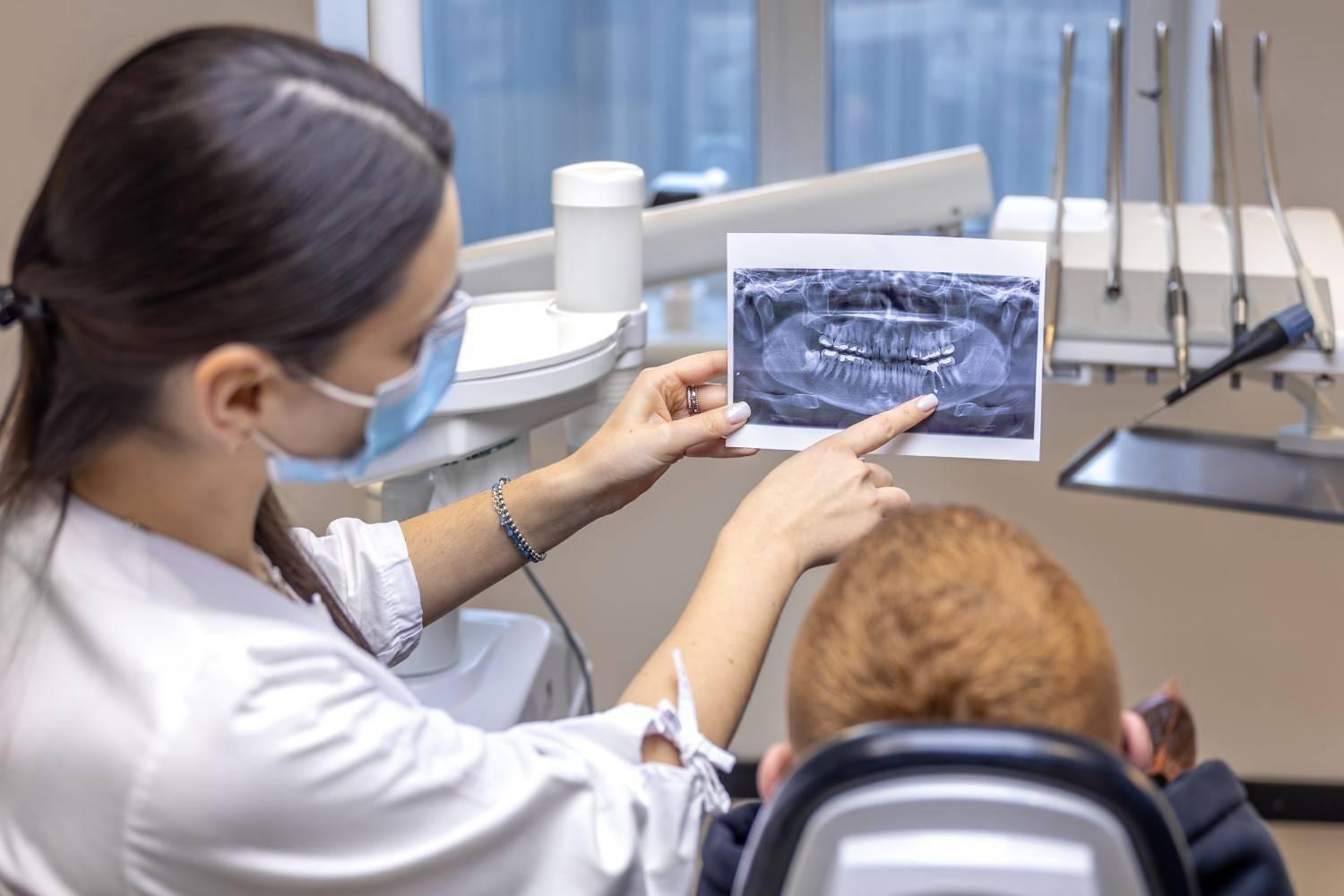
During the evaluation, X-rays or imaging may be recommended to assess bone and root positions. Your dentist may explain whether an implant seems possible or whether a bridge, partial denture, or another option may be better.
After the visit, you should understand the general steps. Implant treatment often includes planning, implant placement, healing time, and final restoration. Timing varies by patient. Your dentist may also explain how to clean around the implant once the final tooth is placed.
Local Patient Review
“I had a missing tooth and wanted to know if an implant or bridge made more sense. The explanation helped me understand the difference and what needed to be checked first.”
FAQs About Dental Implants in Manchester
What is a dental implant?
A dental implant is a post placed in the jawbone to support a replacement tooth. For one missing tooth, it is often restored with a crown after healing.
Who may be a good candidate for dental implants?
Patients with healthy gums, enough bone support, and overall health that allows healing may be considered. A dentist must evaluate your mouth first.
Are implants better than dental bridges?
They are different options. Implants are supported by bone, while bridges often use nearby teeth. The better choice depends on your oral health.
How long does dental implant treatment take?
Timing varies because healing is usually part of the process. Your dentist can explain a more accurate timeline after examining your gums, bone, and bite.
Can one implant replace more than one tooth?
In some cases, implants can support more than one replacement tooth. The plan depends on how many teeth are missing and where they are located.
A Stable Plan for Replacing Missing Teeth
Replacing a missing tooth is easier to understand when each option is explained clearly. For Manchester patients comparing implants, bridges, and other tooth replacement choices, Mann Family Dental can help guide the next step with care based on oral health, function, and long-term needs.